

Blog
Oktoberfest Munich 2026: Duration, Travel Packages & Why It’s Worth the Trip
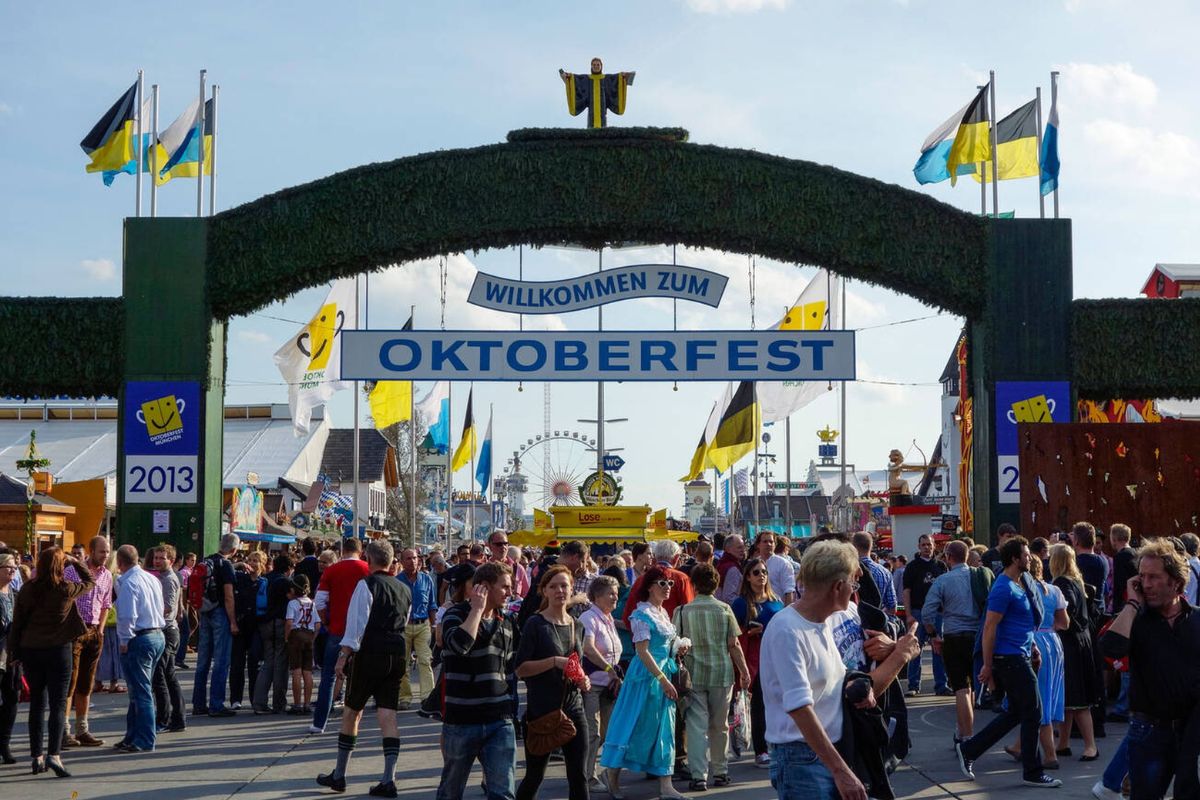
Oktoberfest Munich 2026: Duration, Travel Packages, and Why It Is Worth the Trip
Six million people attend the Munich festival every year. Approximately five million of them have never been before. The ones who have come back are not coming back for the beer alone — they can get German beer at home. They are coming back for something harder to name: the specific feeling of ten thousand people in a tent singing the same song simultaneously, the brass band that makes you want to stand on a bench whether you planned to or not, and the combination of ancient tradition and collective joy that the German word Gemütlichkeit describes but no English word quite captures.
Whether this year’s trip will be worth the cost and the planning depends significantly on two decisions: how many days you spend there, and whether a travel package or a DIY approach better suits your situation. Get either of those wrong and the experience suffers. Get them right and the festival justifies every euro spent.
This guide covers everything specific to planning the 2026 trip: the confirmed dates and what the 16-day duration means for visit planning, the honest case for why the festival genuinely earns its reputation, the complete breakdown of what travel packages include and what they cost, the DIY vs package comparison, and the day-by-day experience of being there. The exact location and grounds layout are covered in our complete guide to Theresienwiese and the festival grounds. This guide focuses on planning and packages.
Confirmed 2026 Dates: The 191st Munich Oktoberfest
Official Start and End Dates
Oktoberfest 2026 kicks off on Saturday, September 19 and runs through Sunday, October 4. This is a 16-day festival — the standard duration for most years. Note that some sources currently circulating online list incorrect dates of September 20 to October 5. These are wrong. The confirmed dates from the Munich city government are September 19 to October 4. Planning around the incorrect dates means missing opening day — the most anticipated day of the entire festival — entirely.
Most years, Oktoberfest lasts for 16 days, beginning in late September and concluding on the first Sunday in October, though it is extended to include October 3rd if that Sunday falls before it. Hence, some years go 17 days and some 18 days. In 2026, October 3 — German Unity Day — falls on a Saturday, three days before the festival ends. This makes it a high-attendance public holiday session within the regular 16-day run rather than an extension.
The Four Distinct Periods Within the Festival
Understanding how the 16 days divide into distinct periods helps match your visit dates to the kind of experience you want. Each period has a different character, different crowd composition, and different walk-in availability.
Opening Weekend (September 19-21): The highest-demand period of the entire festival. Opening Saturday begins with the Tapping of the Golden Keg ceremony at noon in the Schottenhamel tent, officially declaring the festival open. The Traditional Costume and Riflemen’s Parade runs on Sunday September 20 with over 9,000 participants. Opening weekend generates maximum media attention, maximum crowd pressure, and the most difficult walk-in tent access of the entire two weeks. Package prices reflect this — opening weekend packages from major operators start at approximately €1,695 for three nights at mid-range accommodation.
First Midweek (September 22-25): The festival at its most relaxed. Crowds thin dramatically from the opening weekend peak. Walk-in tent access is genuinely achievable from morning until early afternoon on all four days. Midweek packages start at approximately €1,295 for three nights — the most economical entry point for any package. The beer is identical to opening weekend. The atmosphere is significantly calmer. For first-time visitors who want to actually sit down, order comfortably, and experience the tent culture without fighting crowds, a midweek visit is often the better choice despite generating less social media drama than the opening weekend.
Middle Weekend (September 26-28): The festival’s second major crowd surge. The second weekend is known as Italian Weekend due to the large number of visitors arriving from Italy — a consistent annual pattern that makes this the most internationally diverse weekend of the entire festival. The energy inside the tents on Italian Weekend is specific and memorable. Package prices sit between opening weekend and midweek tiers, typically around €1,495-€1,895 for three nights.
Second Midweek and Closing Weekend (September 29 – October 4): October 3 German Unity Day creates a public holiday attendance surge on Saturday within this period. The closing Sunday, October 4, carries a specific emotional quality that regular attendees value — the farewell atmosphere of a festival ending for another year. For visitors who enjoy experiencing conclusions and the atmosphere of finales, the last weekend is worth seeking out specifically.
Why Oktoberfest Is Genuinely Worth the Trip
The Honest Case for a Repeat-Visit Experience
The Munich festival has operated continuously since 1810 — with interruptions only for major historical crises — because it delivers something that advertising cannot manufacture: the genuine warmth of collective celebration rooted in real cultural tradition. The difference between attending this and attending a replica event elsewhere is the difference between experiencing a tradition in its original context and experiencing a very good impression of that tradition.
When the brass band inside the Augustiner-Festhalle plays Ein Prosit and the entire tent — Germans, Australians, Americans, Italians, Japanese visitors, Munich locals on their fourteenth consecutive year — raises their Masskrug simultaneously, the moment is entirely real. Nobody choreographed it. The tradition simply produces that response, reliably, thousands of times across sixteen days. That reliability across generations is what makes the festival worth the specific effort of getting to Munich.
Beyond the Beer: What the Festival Actually Offers
The fraction of six million visitors who do not drink alcohol still attend and still find the trip worthwhile. The festival is a Volksfest — a people’s festival — in the original German sense, meaning it was designed to serve an entire community across age groups and interests, not just beer drinkers.
The food alone justifies significant attention. Giant soft Brezn warm from the oven. Roast Hendl with crispy skin falling off the bone. Schweinshaxe — braised pork knuckle — that has been cooking since morning. Käsespätzle, the Bavarian cheese noodle dish, that bears no resemblance to anything served under the same name outside Germany. Schmalznudeln, the fried dough pastries from a specific stall near the Oide Wiesn that regular visitors seek out specifically. The food stalls scattered between the beer tents represent a concentrated version of Bavarian culinary tradition that cannot be replicated by any single Munich restaurant.
The funfair section running along the southern and southeastern edge of the grounds is genuinely excellent — a full European travelling carnival with roller coasters, a Ferris wheel with a memorable nighttime view, carousels, bumper cars, and traditional Volksfest attractions that have been part of the festival’s identity for over a century. Families with older children often spend as much time in the funfair section as in the beer tents. Couples discover that the Ferris wheel at night, with the lit-up tent city visible below, is one of the more unexpectedly romantic experiences in European travel.
The traditional Bavarian festival games — Masskrugstemmen stein holding, Hammerschlagen nail driving, Fingerhakeln finger wrestling — create the kind of competitive communal energy that makes strangers at adjacent tables suddenly become friends. These activities happen organically throughout the festival grounds and require no organisation or prior knowledge to participate in.
The Cultural Dimension That Photographs Cannot Capture
Wearing Lederhosen to a themed bar in London or New York produces one kind of experience. Wearing them in a Munich beer tent on opening weekend, surrounded by Bavarians who have worn the same style of clothing at the same celebration for three, four, or five generations of their family, produces a completely different one. The cultural context is irreplaceable. It is what transforms a festival visit from tourism into genuine participation.
The parades, the ceremonial keg tapping, the brass band repertoire that has remained consistent for decades, the specific etiquette of the tents — stand on benches, never tables; wait for your server; tip in round numbers — are all active expressions of a living tradition rather than recreations of one. For visitors who approach the festival with genuine curiosity about Bavarian culture, two weeks in September Munich offer more cultural depth than almost any other single destination event in Europe.
How Long to Stay: The Honest Duration Guide
One Day: The Minimum Viable Visit
A single full day at the festival — arriving when the tents open, staying through an evening session — gives a genuine impression of what the experience is. Two to three tent visits, time in the funfair, the food, the atmosphere. It is enough to understand why people return annually. It is not enough to experience the full range of what the festival offers, and almost everyone who does a single day leaves wishing they had booked more.
One-day visits work best for visitors already in Munich for other reasons who want to experience the festival without restructuring their trip. They are not the ideal format for visitors travelling specifically for the festival from outside Germany.
Two to Three Days: The Recommended Format
Two to three days allows the experience that most repeat visitors describe as the correct duration. Day one for orientation: finding the tent that feels most comfortable, establishing the rhythm of the grounds, experiencing the transition from morning to afternoon to evening atmosphere. Day two for intention: the parade if it falls during your dates, a specific tent you want to experience properly, the Oide Wiesn heritage section, the funfair after dark. Day three for confirmation: returning to what worked, experiencing the grounds at a different time of day, the relaxed confidence of someone who is no longer navigating for the first time.
This format also allows the combination of weekday and weekend sessions that experienced visitors consistently recommend. A Wednesday morning in a half-full Augustiner tent and a Saturday evening in a packed Hofbräu tent are two completely different experiences of the same festival. Both are worth having. A two-to-three day visit creates space for both.
Four to Seven Days: For the Dedicated Visitor
Staying four to seven days allows systematic exploration of the tent culture across different sessions and days, extended time in Munich beyond the festival grounds, and potential day trips to the remarkable attractions within reach of the city. Neuschwanstein Castle is 90 minutes from Munich by train and bus — the fairytale Alpine castle that inspired Walt Disney’s Sleeping Beauty design. The Bavarian Alps are accessible as a day trip for hiking or, later in October, early skiing. Salzburg is two hours by train — Mozart’s birthplace with a medieval fortress visible from every corner of the old town.
Visitors staying this long are almost certainly in Munich specifically for the festival rather than passing through. The investment in extended accommodation near the festival grounds pays back in the ease of returning to the hotel between sessions, changing clothes, resting, and returning refreshed — an option that single-day visitors and those staying further out simply do not have.
Travel Packages: What They Include and What They Cost
Why Packages Exist for This Festival Specifically
Oktoberfest travel packages are not simply bundled tourism products. They exist because the festival creates three specific logistical problems that are genuinely difficult for independent travellers to solve: finding accommodation within reasonable distance of the grounds at a price that does not double the cost of the trip, securing beer tent reservations for popular sessions that sell out months in advance, and navigating the German-language booking systems of individual tent operators from outside Germany.
Package operators solve all three problems as their core product. They block hotel rooms months in advance when availability exists and pricing is reasonable. They secure tent reservations through established relationships with hosts. They handle the bank transfer payment requirements that catch many international buyers off guard. For the specific challenges of this specific festival, the package model makes genuine practical sense in a way it does not for most other travel destinations.
The Three Package Tiers: What Each Delivers
Basic packages (accommodation plus tent reservations): The essential elements covered — a hotel room within manageable distance of the grounds and at least one guaranteed beer tent reservation per day or per stay. What is typically not included: flights, airport transfers, guided activities beyond the tent sessions, and breakfast. These packages work for experienced travellers who want the logistical headaches resolved but prefer to plan their own time beyond the tent sessions. Pricing for three-night basic packages from reputable operators starts at approximately €600-900 per person depending on accommodation quality and session timing.
All-inclusive packages (full trip management): Hotel accommodation, daily breakfast, beer tent reservations with prepaid vouchers for food and beer, airport transfers, guided walking tours of Munich, and often day trip excursions to regional attractions. Packages from mid-range operators typically include entry to the festival, reserved tables, walking tours of Munich, Garmisch day trips to the Alps, and local brewery tours. First-time visitors who want the festival experience without any logistical burden find these packages the most stress-free approach. Pricing ranges from approximately €1,295 for midweek packages to €2,095 for opening weekend at premium accommodation.
VIP and premium packages: The highest tier of festival experience — reserved seating in the most sought-after tent sections, dedicated table service, priority entry, luxury hotel accommodation, private guide service throughout the stay, and exclusive add-ons not available to general visitors. These packages suit corporate groups, milestone celebrations, and visitors for whom the festival experience itself is worth a significant premium. They also represent the only realistic route to opening weekend seating in tents like Käfer Wiesn-Schänke, where weekend reservations are nearly impossible for independent travellers to obtain.
What All Packages Must Include to Be Worth Buying
Not all packages deliver equivalent value. Before committing to any package, verify these specific elements are present and clearly specified:
- Hotel within walking distance or maximum two U-Bahn stops from Theresienwiese. Any accommodation further than this negates one of the primary advantages of the package format.
- Named beer tents with specific dates and session times. A package promising “beer tent access” without specifying which tent and which session is not a reservation — it is a guided walk-in attempt.
- Prepaid food and drink vouchers included in the tent reservation. Legitimate reservations require minimum consumption vouchers. A package that does not include these has not secured a genuine reservation.
- Clear statement of what is not included. Reputable operators state flight exclusions, additional meal costs, and personal spending allowances clearly. Operators who are vague about exclusions are usually managing expectations around costs that will surprise buyers later.
- Cancellation and refund terms. Festival packages are expensive and non-refundable with many operators. Travel insurance purchased at booking is essential for any package at this price point.
The DIY vs Package Decision: When Each Makes Sense
The decision between a package and independent booking is not about which approach is inherently better — it is about which suits your specific situation, travel style, and the festival dates you are targeting.
| Factor | Package Makes More Sense | DIY Makes More Sense |
|---|---|---|
| Festival dates | Opening weekend — reservations nearly impossible to obtain independently | Midweek sessions — easier independent booking |
| Travel experience | First visit to Munich and the festival | Return visitor who knows the system |
| Group size | Large groups — 8+ people needing coordinated tent seating | Solo or couple — flexible and easier to seat independently |
| Time available for planning | Limited — package handles all logistics | Sufficient — independent booking manageable |
| Language comfort | No German — package navigates German booking systems | Comfortable with international bookings and bank transfers |
| Flexibility preference | Structure wanted — curated itinerary preferred | Independence valued — own schedule preferred |
| Budget | Premium acceptable for guaranteed access | Budget-conscious — midweek DIY can save €300-600 per person |
The honest summary: for opening weekend, a package is essentially mandatory for anyone who wants guaranteed tent seating. For midweek sessions, the independent route is entirely manageable for visitors willing to navigate the tent websites and handle the German bank transfer payment requirement. The full booking guide for both approaches is covered in our dedicated post on how to book a beer tent table.
Multi-City Tour Packages: Combining Munich with Other German Festivals
Several specialist tour operators offer extended packages that combine the Munich festival with other German beer events — most commonly Stuttgart’s Cannstatter Volksfest, which runs in late September and early October at the same time as the Munich festival. These multi-city tours suit visitors who want a broader experience of German festival culture rather than a single-destination trip.
The itinerary typically runs: three nights in Munich for the main festival, then a train journey southeast through Bavaria with stops in historic towns, concluding with two to three nights in Stuttgart for the Cannstatter Volksfest — Germany’s second largest beer festival, less internationally known but genuinely excellent in its own right. This format provides a travel narrative rather than a single event visit and appeals particularly to visitors from outside Europe who are making a longer trip and want to maximise their time in Germany.
What It Actually Costs: A Realistic Budget Guide
Accommodation Pricing During the Festival
Accommodation is where the festival cost is most brutally amplified relative to normal Munich travel. Hotels near Theresienwiese during Oktoberfest cost €200-400 per night for basic 3-star options. Hotels that cost €80-100 per night in July cost €250-350 for the same room in September. This is the single biggest cost variable in any Oktoberfest trip and the most important reason to book accommodation — whether independently or through a package — as early as possible.
The practical price tiers in 2026: budget hostel dorm accommodation €50-80 per person per night; basic private room in a mid-range hotel €150-250 per night; comfortable 3-4 star hotel within walking distance of Theresienwiese €250-400 per night; premium accommodation opening weekend €400-600 per night. These are realistic market rates, not worst-case scenarios.
Daily Spending Inside the Festival
Entry to the festival grounds is free. Everything inside costs money at festival pricing. A realistic daily budget for a full day at the Wiesn:
- Beer: A Masskrug (one litre) costs approximately €15-17 inside the tents in 2025, with 2026 pricing expected around €16-18. Budget three to four Masskrug for a full day.
- Food: A Hendl (roast chicken) runs €15-18. A Schweinshaxe €18-22. Brezn from stalls €4-6. Budget €25-40 for a full day of festival eating.
- Rides and entertainment: Individual rides €3-8. The Ferris wheel typically €5-6.
- Total daily spend inside the grounds: €80-130 per person for a full day including four beers, a proper meal, snacks, and some rides.
The total cost of a three-day independent midweek trip — accommodation, daily festival spend, meals outside the grounds, transport — runs approximately €600-900 per person for a budget-conscious visit, €900-1,400 for comfortable mid-range, and €1,500+ for an enjoyable premium experience. These figures do not include flights.
Essential Planning Decisions Before You Book
The Accommodation Booking Window
The single most important planning action for the 2026 festival is booking accommodation now. Book Oktoberfest 2026 reservations by March-April 2026 for best selection. Hotels that are available in January become unavailable by March for opening weekend and by May for most other dates. Waiting until summer to book accommodation means either paying premium prices for remaining inventory or staying far enough from the grounds that the logistical advantage of being close is lost.
The neighbourhoods with the best balance of proximity, availability, and price along the U4/U5 line — Giesing, Sendling, and beyond — give direct festival access within 10-15 minutes and consistently have more inventory available at more reasonable prices than the Theresienwiese-adjacent streets.
What to Wear: Trachten or Casual
Traditional Trachten is worn by the majority of festival visitors, including most international tourists and virtually all Munich locals. Wearing it is not compulsory but it transforms the experience — the tent staff treat Trachten wearers differently, the communal feeling is stronger, and the photographs are better. For men, the complete traditional outfit is covered in our complete traditional Trachten outfit guide. Browse our men’s Lederhosen collection and our ladies’ Oktoberfest dress collection for authentic options — and order by August at the latest, when popular sizes begin selling out as festival demand builds.
Munich Beyond the Festival
Munich is one of the most enjoyable cities in Europe independent of the festival that happens to occur there every autumn. The Marienplatz and the Viktualienmarkt, the English Garden with its river surfers, the Deutsches Museum, the Pinakothek art museums, the Nymphenburg Palace — a three-day visit easily fills the hours outside the festival with genuinely excellent city exploration.
Day trips from Munich are exceptional. Neuschwanstein Castle is the most visited of the Bavarian royal palaces and worth the 90-minute journey. The Bavarian Alps — reachable from Garmisch-Partenkirchen — offer hiking with dramatic Alpine scenery within two hours of the city. Salzburg is two hours by train. Visitors on five or more day trips who also want regional exploration can combine festival attendance with these destinations in a single trip structure that makes the overall journey cost significantly more efficient.
For visitors elsewhere in the US who want a closer-to-home festival experience, our Wisconsin Oktoberfest guide covers La Crosse and New Glarus — two of the best replica celebrations in the United States.
The Definitive Answer: Is It Worth It?
The festival costs more than almost any other single-event travel destination in Europe. Accommodation triples in price for the relevant weeks. Package costs run into four figures for three nights. Flights to Munich in September command festival premiums. None of this changes the fact that the Munich celebration genuinely earns its reputation as a bucket-list experience — not because the marketing says so, but because what happens inside those tents for sixteen days every September is specific, irreplaceable, and impossible to replicate anywhere else on earth.
The visitor who attends with realistic expectations — that it is crowded, expensive, requires advance planning, and works best with more than one day — almost always considers the trip worthwhile. The visitor who arrives expecting a relaxed, inexpensive afternoon and ends up queuing outside a full tent on a Saturday evening has been failed by their own planning rather than by the festival itself.
Plan early. Book the accommodation in the next few weeks. Decide on the package or DIY route based on the honest comparison above. Order the Trachten before August. Arrive knowing which tent you want, when the doors open, and why bench dancing is correct while table dancing gets you removed. The Gemütlichkeit will take care of itself.
Frequently Asked Questions
How long does Oktoberfest last in 2026?
Oktoberfest 2026 runs for 16 days, from Saturday September 19 to Sunday October 4. The festival traditionally begins on the third Saturday of September and ends on the first Sunday of October. German Unity Day on October 3 falls within the 2026 festival as a public holiday, generating weekend-level attendance on that Saturday without extending the total duration beyond the standard 16 days.
Is Oktoberfest in Munich worth it?
Yes — for visitors who plan correctly. The Munich festival is the only place where the combination of authentic Bavarian culture, fourteen historic beer tents each with their own character, the Traditional Costume Parade, the opening ceremony, and six million participants creates the specific experience the festival is known for. Replica events worldwide offer versions of this. The original offers the thing itself. Budget correctly, book accommodation early, and arrive with at least two days available — the trip consistently justifies the cost for visitors who approach it that way.
How much does a trip to Oktoberfest cost?
A realistic budget for a three-day midweek visit excluding flights: €600-900 per person for budget travel (hostel accommodation, daily festival spending of €80-100, basic meals); €900-1,400 for comfortable mid-range; €1,500 and above for a relaxed premium experience near the grounds. Opening weekend costs are significantly higher — accommodation pricing alone increases by 30-50% compared to midweek. Package tours for three nights range from approximately €1,295 midweek to €2,095 for opening weekend at quality accommodation.
Should I book an Oktoberfest package or go DIY?
For opening weekend: a package is the practical choice — tent reservations for popular evening sessions on opening weekend are nearly impossible to secure independently. For midweek sessions: DIY is entirely manageable and saves €300-600 per person compared to equivalent package pricing. The decision turns on three factors: which dates you are attending, whether you have time and comfort to navigate German-language booking systems, and whether guaranteed tent access or flexible planning matters more to your travel style.
How many days should I spend at Oktoberfest?
Two to three days is the recommended duration for most visitors. One day gives a genuine impression but leaves most people wishing they had more time. Two days allows the contrast between morning and evening sessions and between different tents. Three days provides the relaxed confidence of someone who no longer needs to orientate — you spend the time experiencing rather than navigating. Visitors staying four to seven days gain access to Munich as a city and day trips to regional attractions that justify the longer trip investment.
When is the best time to visit Oktoberfest 2026?
For walk-in tent access and relaxed atmosphere: midweek mornings, particularly Tuesday through Thursday before 2pm. For maximum energy and the full festival atmosphere: Friday and Saturday evenings with a reservation secured in advance. For the opening ceremony and the Traditional Costume Parade: opening weekend September 19-21, accepted with the understanding that crowds are at their peak. For the Italian Weekend atmosphere: middle weekend September 26-28. Avoid October 3 if you want weekday crowd levels — German Unity Day generates Saturday-level attendance regardless of the day of the week it falls on.
What is included in a typical Oktoberfest travel package?
A standard mid-range package for three to four nights typically includes hotel accommodation within walking distance or a short U-Bahn ride from Theresienwiese, at least two beer tent reservations with prepaid food and drink vouchers covering two litres of Festbier and one meal per person per session, and often airport transfers and a guided walking tour of Munich. Premium packages add day trips to Neuschwanstein or the Bavarian Alps, a local bilingual guide for the duration, and VIP seating in higher-demand tent sections. Flights are almost never included — verify this before comparing package prices.
What day does Oktoberfest 2026 start?
Oktoberfest 2026 officially begins on Saturday, September 19, 2026. Beer service opens at noon on opening day when the Lord Mayor of Munich taps the first keg in the Schottenhamel tent and declares “O’zapft is!” — meaning “It is tapped!” All other tents open service simultaneously at noon. Many visitors arrive at the grounds before 10am on opening day to queue for walk-in seats before service begins. The festival ends on Sunday, October 4, 2026.
German Attire supplies authentic Bavarian Lederhosen, Dirndl, and traditional German Trachten to customers across the UK, US, and Australia. Visit our store at 27 Victoria Street, London SW1H 0EX or browse our complete men’s Lederhosen collection and ladies’ Oktoberfest dress collection online — order by August 2026 to guarantee your size is available for the September festival.

Anna Bauer is a seasoned Bavarian fashion expert, cultural consultant, and heritage stylist with over a decade of hands-on experience in traditional German clothing. Born in Munich, the heart of Bavaria, Anna grew up surrounded by the rich traditions of Trachten fashion. Her passion for cultural attire led her to pursue a degree in Fashion and Textile Design at the prestigious University of the Arts Berlin, where she specialized in European folkwear.
Over the past 12+ years, Anna has collaborated with renowned Trachten designers, styled outfits for Oktoberfest events across Germany, and contributed articles to top fashion and culture magazines across Europe. Her work focuses on preserving the authenticity of Lederhosen and Dirndl wear while helping modern audiences style them with confidence and flair.
As the lead content contributor for German Attire, Anna combines her academic background, professional styling experience, and deep cultural roots to provide readers with valuable insights into traditional German fashion. Her blog posts cover everything from historical origins and styling guides to care tips and festival outfit planning—making her a trusted voice for anyone looking to embrace Bavarian heritage in a stylish, modern way.