

Blog
Why Do People Wear Chicken Hats at Oktoberfest?
Why Do People Wear Chicken Hats at Oktoberfest?
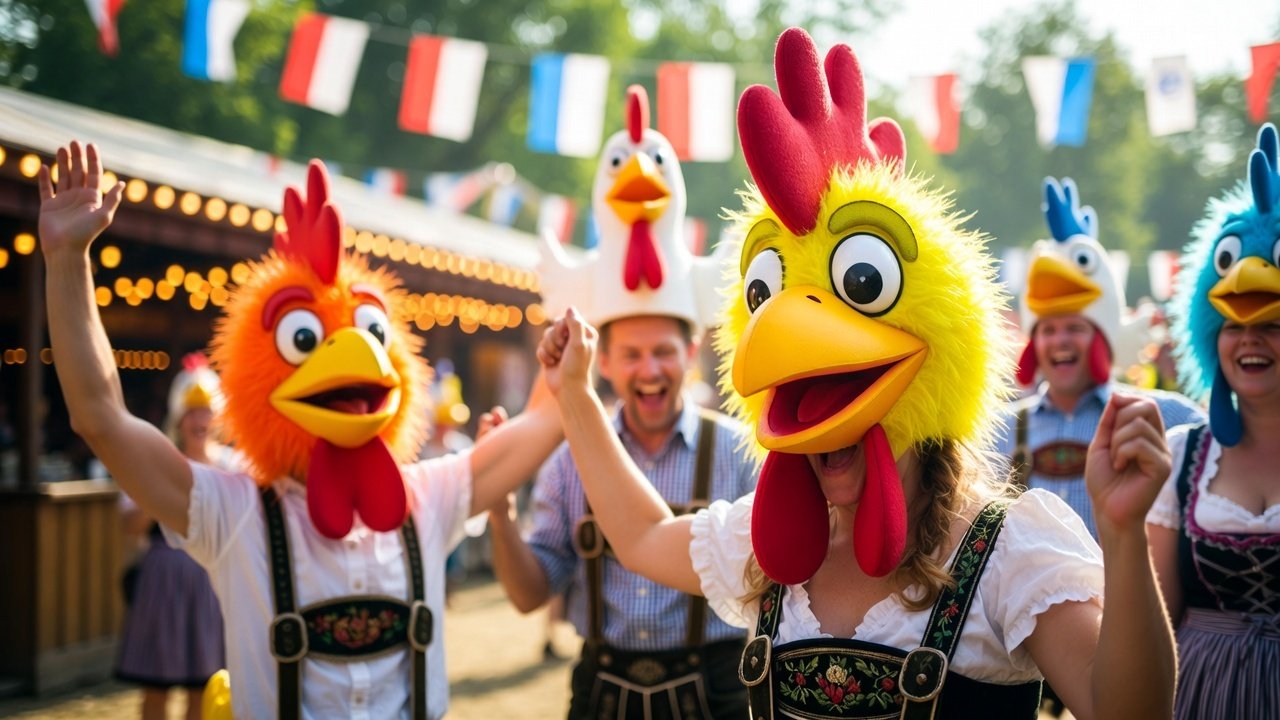
Every year at Oktoberfest, amidst the sea of Lederhosen and Dirndls, one sight never fails to spark curiosity: festival-goers wearing bright, wobbling chicken hats. Many people ask, “Why do people wear chicken hats at Oktoberfest?” The truth is both amusing and surprisingly modern. These hats aren’t part of some centuries-old Bavarian tradition—they are a playful invention, popularized by tourists and souvenir vendors looking to stand out in the crowd. People wear them to express humor, join in the festive fun, and create unforgettable photo moments. In essence, chicken hats have become a symbol of playful rebellion and social fun, blending perfectly with Oktoberfest’s lively, spirited atmosphere.

Historical and Cultural Background of Oktoberfest
To understand why chicken hats exist, we first need to understand Oktoberfest itself.
The Origins of Oktoberfest
Oktoberfest wasn’t always the global phenomenon it is today. It started in 1810 as a royal celebration—specifically, a wedding between Crown Prince Ludwig of Bavaria and Princess Therese. The royal couple invited Munich’s citizens to participate in horse races and festivities on the meadow outside the city (called the “Wiesn,” or meadow). What began as a one-time event became an annual tradition that locals loved so much it never stopped.

Over two centuries, Oktoberfest evolved from a local Bavarian festival into the world’s largest beer festival, attracting over 6 million visitors annually from around the globe.
Traditional Bavarian Clothing and Cultural Pride
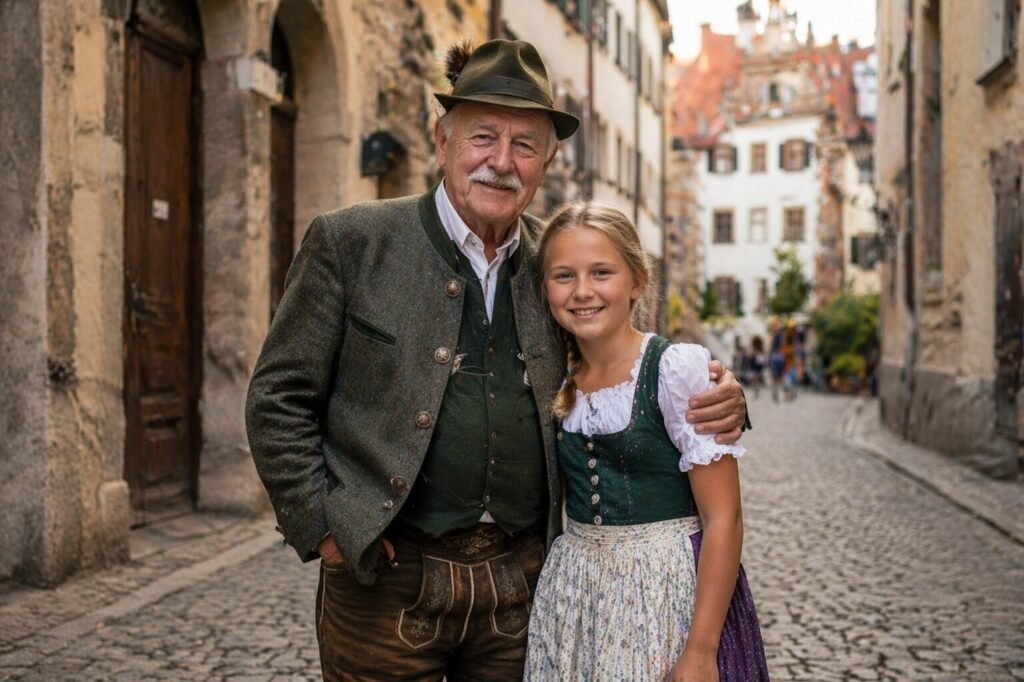
For generations, Oktoberfest was the stage for displaying authentic Bavarian heritage. Traditional Trachten (folk costumes) carried deep cultural significance:
- Lederhosen and Dirndls: These weren’t just costumes—they were statements of regional identity, family heritage, and cultural continuity.
- Tirolerhüte (Alpine Hats): Felt hats adorned with feathers, brushes, or pins that symbolized mountain heritage and local pride.
- Materials and Craftsmanship: Genuine pieces were made from wool, felt, and goat hair, often passed down through families.
Wearing traditional Trachten to Oktoberfest wasn’t about costume; it was about honoring ancestors and celebrating a living culture.
The Emergence of Novelty Costumes
By the 1970s and 1980s, Oktoberfest’s growing international popularity brought a shift. Tourists arrived in increasing numbers, many without access to or knowledge of traditional Bavarian attire. Souvenir vendors, quick to capitalize on this demand, began selling novelty items: oversized foam hats, silly animal designs, beer-themed accessories.
At first, these were fringe items worn by tourists—a way to participate without understanding the cultural depth. But something unexpected happened: locals started wearing them too. What began as tourist kitsch became mainstream, gradually transforming the festival’s visual landscape.
Quick Historical Snapshot:
| Year | Event | Significance |
| 1810 | Royal wedding of Ludwig & Therese | Origin of Oktoberfest |
| 19th century | Traditional Trachten attire becomes popular | Cultural pride and identity |
| Early 20th century | Humorous hats appear | Light-hearted festival fun |
| Late 20th century | Novelty hats gain tourist popularity | Birth of chicken hats & playful accessories |
Oktoberfest’s evolution shows how the festival blends deep-rooted Bavarian tradition with playful modernity, creating the perfect cultural backdrop for quirky trends like chicken hats.
Types of Hats Worn at Oktoberfest
At Oktoberfest, hats are more than just accessories—they’re expressions of culture, creativity, and fun. While traditional Bavarian hats reflect heritage, novelty and playful designs showcase the festival’s lively, modern spirit. Here’s a closer look at the types of hats you’ll see at Oktoberfest:
Traditional Bavarian Hats (Tirolerhüte / Alpine Hats)
Traditional Bavarian hats, also known as Tirolerhüte or Alpine hats, are crafted from felt or wool and often adorned with decorative feathers, brushes, or pins. These hats are rich in symbolism, reflecting regional pride, family heritage, and cultural identity. Historically, they were worn to signal social status, craftsmanship, and personal lineage, making them an essential complement to Lederhosen for men or Dirndls for women. Even today, these hats maintain their elegance and timeless appeal, representing the authentic Bavarian Trachten tradition that forms the backbone of Oktoberfest’s cultural heritage.

Beer-Themed and Fun Hats
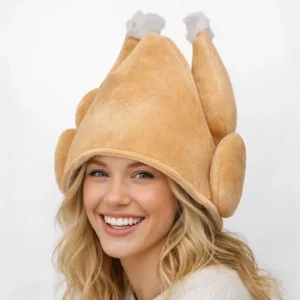
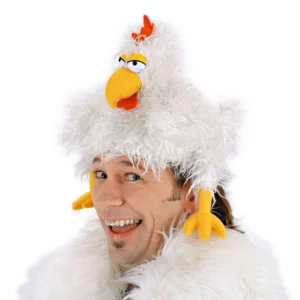
Adding a modern twist to tradition, beer-themed hats are designed to celebrate the festival’s spirited atmosphere. These playful designs may resemble foam beer mugs, pretzels, sausages, or giant steins. Among these novelty hats, the chicken hat has emerged as an iconic favorite. Vibrant, humorous, and highly photogenic, it perfectly captures the joy and social energy of Oktoberfest. Beer-themed hats allow visitors to engage with the festival in a lighthearted way, making them ideal for photos, group identification, and social interaction.
Animal Hats
Animal-themed hats take whimsy to the next level. Designs featuring chickens, cows, pigs, or roosters are intentionally absurd and eye-catching, helping wearers stand out in the crowded beer tents. These hats serve a dual purpose: they act as icebreakers, sparking laughter and conversation, and provide excellent material for social media posts. Their exaggerated designs create a playful contrast with the more formal Trachten outfits, highlighting Oktoberfest’s balance between tradition and modern fun.
Cartoon and Pop Culture Hats
Festival-goers often embrace popular culture with hats inspired by movies, memes, and iconic characters such as Disney favorites. These designs are especially popular among tourists and younger audiences who enjoy bringing a pop culture twist to the festival experience. Cartoon and themed hats demonstrate how Oktoberfest has evolved into a globally recognized event where humor and creativity intersect with Bavarian culture, making it accessible to visitors from around the world.

DIY and Custom Hats
Some attendees take hat-wearing to the next level with handcrafted and personalized designs. Painted, glittered, or decorated with unique motifs, DIY hats showcase individual creativity and group identity. Many festival-goers create matching sets for friends or family, turning headwear into a fun form of self-expression and camaraderie. This trend emphasizes that Oktoberfest is not just about tradition—it’s also about celebrating imagination and personal style.
Modern Quirky Hats
Finally, modern quirky hats represent the cutting edge of festival innovation. Inflatable designs, oversized foam creations, and LED or light-up hats have become increasingly popular, offering attention-grabbing fun for festival-goers. These hats are often shared widely on social media, adding a viral element to the festival. They symbolize how Oktoberfest continually evolves, blending traditional heritage with playful, contemporary trends to engage a diverse, global audience.
Why Chicken Hats Stand Out:
Chicken hats sit at the intersection of novelty and absurdity, making them iconic photo opportunities. Their bright colors, exaggerated combs, and playful design make them instantly recognizable, and a perfect example of how Oktoberfest embraces both heritage and whimsy.
The Origins of Chicken Hats at Oktoberfest
While Oktoberfest is steeped in centuries of Bavarian tradition, the playful phenomenon of chicken hats is a relatively modern invention. Unlike Lederhosen or Dirndls, which date back hundreds of years, chicken hats only appeared in the late 20th century.
When Did Chicken Hats First Appear?
Chicken hats likely made their first appearance in the 1980s–1990s. They were introduced as novelty items, designed to catch the eye and bring a touch of humor to the festival. Early designs were simple foam hats shaped like chickens, but their exaggerated features and bright colors immediately made them popular among tourists seeking a fun and playful accessory.
Who Popularized the Trend?
Tourists and souvenir vendors were the driving force behind the rise of chicken hats. Vendors noticed that visitors loved wearing eye-catching, whimsical hats for photos, and gradually, the chicken design became one of the most iconic. Unlike traditional Trachten hats, chicken hats were all about fun, not heritage, making them instantly appealing to festival-goers looking to stand out.
From Local Novelty to Global Trend
What began as a small Munich souvenir quickly evolved into a global festival accessory. Chicken hats now appear at Oktoberfest celebrations around the world, from Denver to Sydney, often accompanied by other animal or pop-culture-themed hats. Social media has further amplified their popularity, turning every bright foam comb into a shareable, viral moment.
Quick Visual Snapshot:
| Era | Event | Significance |
| 1980s–1990s | First chicken hats appear | Novelty item for tourists |
| Late 1990s–2000s | Souvenir vendors popularize | Trend spreads in Munich |
| 2010s–Present | Global adoption via social media | Iconic festival accessory worldwide |
Anatomy and Appeal of the Chicken Hat
At first glance, a chicken hat may seem silly, but its popularity at Oktoberfest is no accident. Every element of its design and use serves a social and visual purpose, especially in the busy, high-energy festival environment.
Design & Visual Appeal
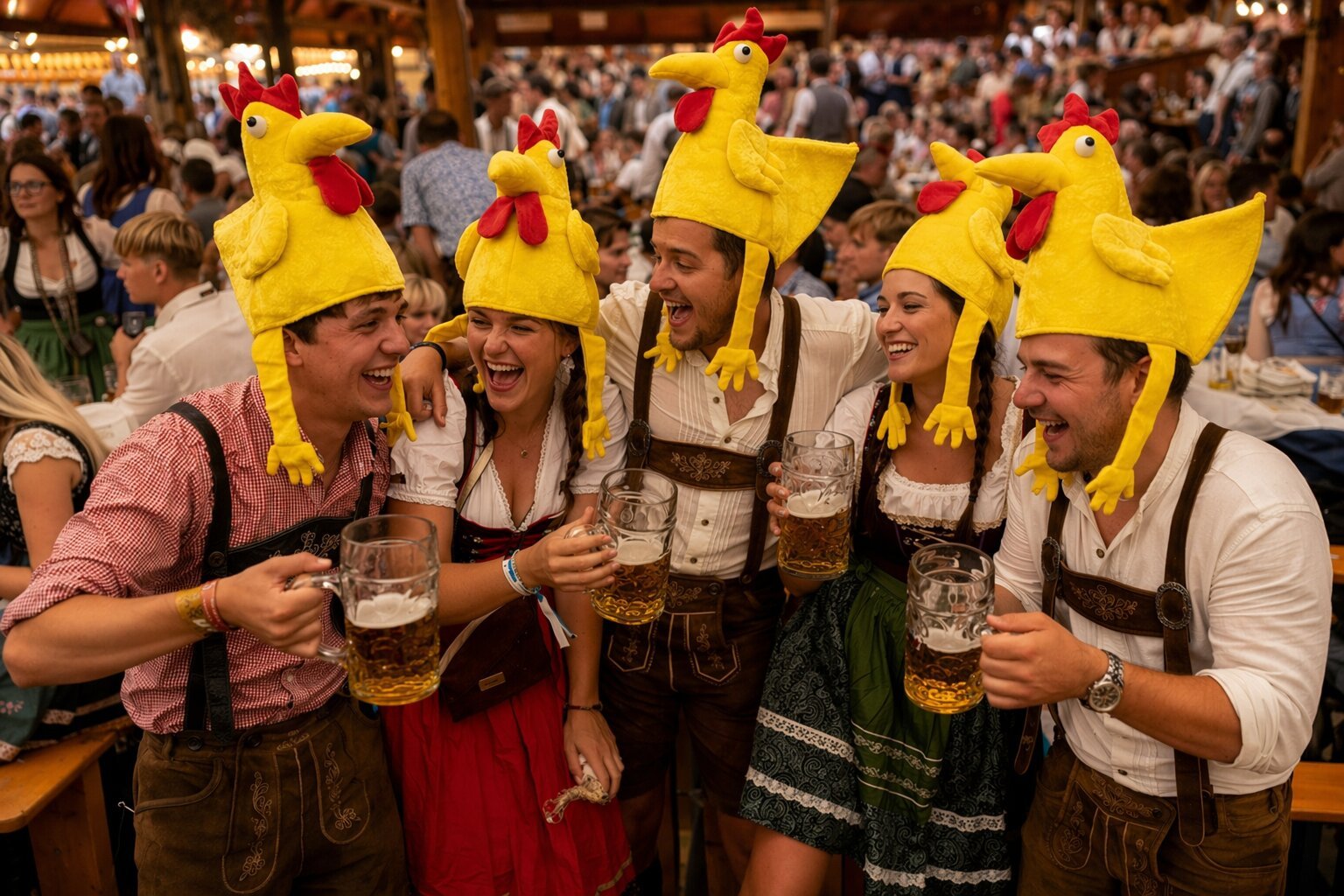
Chicken hats are intentionally over-the-top. With exaggerated red combs, bright yellow colors, and soft foam or plush materials, they are designed to be impossible to miss in a crowd. In packed beer tents where everyone is dressed similarly, the chicken hat becomes an instant visibility tool. It helps wearers stand out, be recognized by friends, and attract friendly attention from strangers.
Symbolism: Humor and Playful Rebellion
Symbolically, the chicken hat represents humor and lighthearted rebellion. Oktoberfest is rooted in tradition, but it is also about celebration and letting loose. Wearing something intentionally absurd signals that the wearer is there to have fun, not take themselves too seriously. It’s a gentle break from cultural formality without disrespecting the festival itself.
Social Function at Oktoberfest
Beyond appearance, chicken hats serve an important social role. They act as natural icebreakers, often sparking laughter, conversations, and group bonding. Many friend groups wear matching chicken hats to create a shared identity, making it easier to stay together and feel connected in large crowds.
From a modern perspective, chicken hats are also perfect for photos. Their bold design translates well on camera, boosting social media engagement and creating a sense of FOMO for those not attending. One photo often inspires many more people to join the trend the following year.
Why They Work So Well:
- Highly visible in crowded tents
- Instantly humorous and approachable
- Encourage interaction and group cohesion
- Designed for photos and social sharing
In many ways, the chicken hat succeeds because it blends visual impact, humor, and social connection, making it one of the most effective novelty accessories at Oktoberfest.
Psychology Behind Wearing Chicken Hats at Oktoberfest
At its core, the chicken hat phenomenon taps into a very human desire: the freedom to be playful without judgment. Oktoberfest creates a socially accepted space where normal rules soften, and humor becomes part of the collective experience. Wearing something intentionally ridiculous—like a chicken hat—signals that you’re in on the joke and ready to participate in the festival’s lighthearted spirit.
Humor and Self-Expression
Chicken hats offer a low-risk form of self-expression. They allow people to be silly in public without standing out in a negative way. In a crowd where laughter and exaggeration are encouraged, humor becomes a shared language, making even strangers feel connected.
The Power of Social Conformity
Once a few people start wearing novelty hats, others quickly follow. This “everyone’s doing it” effect reduces hesitation and increases participation. At Oktoberfest, group dynamics matter—friends, tour groups, and entire tables often adopt matching hats to reinforce a sense of belonging.
Anonymity and Permission to Let Go
Large festivals provide a subtle sense of anonymity. Surrounded by thousands of people, individuals feel less self-conscious and more willing to break everyday norms. The chicken hat becomes a symbolic mask, offering permission to act carefree without fear of embarrassment.
Cultural Symbolism of Absurdity
In Bavarian humor, animals—especially chickens—often represent harmless absurdity rather than insult. The exaggerated design plays into this tradition, making the chicken a perfect emblem of playful nonsense rather than mockery of culture.
A Universal Festival Pattern
This behavior isn’t unique to Oktoberfest. Similar patterns appear worldwide:
- Mardi Gras masks allow people to adopt bolder personalities
- Carnival costumes encourage exaggerated behavior
- Festival hats and props act as social icebreakers
In every case, the goal is the same: temporary freedom from social rules. The chicken hat simply happens to be Oktoberfest’s most recognizable version of that permission to have fun.
By understanding the psychology behind it, the trend feels less random—and more like a natural expression of how people celebrate together when tradition meets modern festival culture.
Cultural Debate – Authenticity vs. Kitsch at Oktoberfest
Few topics spark as much quiet debate at Oktoberfest as the rise of novelty accessories like chicken hats. For some, they’re a harmless bit of fun; for others, they represent a shift away from the festival’s cultural roots. This tension reflects a broader conversation about how traditions evolve in a global, tourism-driven world.
The Purist Perspective: Protecting Tradition
From a traditionalist point of view, Oktoberfest is a celebration of Bavarian heritage. Authentic Trachten—Lederhosen, Dirndls, and classic alpine hats—carry regional history, family symbolism, and craftsmanship. Purists worry that novelty hats draw attention away from these meaningful elements, reducing cultural attire to a costume rather than a living tradition.
The Pragmatist View: Culture as a Living Thing
Others see chicken hats as a natural and harmless evolution. Oktoberfest has never been frozen in time—it has adapted for over two centuries. Supporters of this view argue that humor, creativity, and tourism help keep the festival vibrant and accessible, especially for newcomers who may not yet understand traditional dress codes.
Local vs. Tourist Interpretations
The divide often follows experience rather than intent.
- Locals may view Trachten as identity and heritage.
- Tourists often approach Oktoberfest as a celebratory event, prioritizing fun and shared experience over historical accuracy.
Chicken hats sit right at this intersection—neither fully traditional nor disrespectful, but undeniably modern.
Finding the Balance
In practice, Oktoberfest accommodates both worlds. Traditional clothing remains central, while novelty items exist at the edges, adding color and humor. The key difference lies in awareness: enjoying playful accessories while understanding that they are not part of authentic Bavarian dress.
Global Spread of Chicken Hats Beyond Munich
What began as a lighthearted novelty in Munich has since crossed borders, turning chicken hats into portable symbols of Oktoberfest fun. As the festival expanded internationally, so did its most playful accessories—often carrying more humor than historical meaning.
Chicken Hats at International Oktoberfest Celebrations
Today, chicken hats regularly appear at major Oktoberfest events around the world, including:
- Denver Oktoberfest, where bold costumes and novelty accessories dominate the crowd
- New York Oktoberfest, blending Bavarian themes with urban party culture
- Australian Oktoberfest festivals, where playful interpretations often outweigh strict tradition
In these settings, chicken hats are less about Bavarian heritage and more about signaling participation in a globally recognized celebration.
The Role of Social Media
Social platforms have significantly accelerated this spread. A single photo or viral post can turn a novelty item into an international trend overnight. Chicken hats photograph well, read instantly as “Oktoberfest,” and thrive in the visual language of social media—making them ideal for global sharing.
Frequently Asked Questions (FAQ)
Are chicken hats actually a Bavarian tradition?
No. Chicken hats emerged in the 1980s–1990s as novelty tourist merchandise. They have no connection to traditional Bavarian culture. Traditional Alpine hats are called Tirolerhüte and have centuries of heritage.
When did chicken hats become popular at Oktoberfest?
They became mainstream in the 2000s, with popularity accelerating dramatically during the 2010s due to social media. Today, 20–30% of novelty hat wearers choose chicken designs.
Where can I buy a chicken hat?
Souvenir shops around the Oktoberfest grounds, street vendors, online retailers (Amazon, eBay), and specialty costume shops. Cost ranges from €5–€40 depending on quality.
Do locals wear chicken hats?
Some do, often ironically or playfully. Many locals prefer traditional Trachten or no hat. The hat is predominantly worn by international tourists.
Are chicken hats appropriate for all ages?
Yes. They’re popular with families, young adults, and even older tourists. However, comfort varies—some people find hats on their heads irritating after hours.
Will wearing a chicken hat ruin my “authentic” Oktoberfest experience?
Not necessarily. Authenticity is subjective. Wearing a chicken hat means you’re participating in contemporary Oktoberfest culture, which is different from (but not opposed to) traditional Bavarian culture. You can be aware of this distinction and enjoy both.
What’s the difference between a chicken hat and other novelty hats?
Chicken hats are the most iconic and photogenic. Beer stein hats are more thematic; animal hats (cows, pigs) are more absurd. Chicken hats hit a sweet spot between recognizable and ridiculous.
Are there sustainable or eco-friendly chicken hat options?
Some vendors now offer hats made from recycled foam or biodegradable materials. Search for “eco-friendly Oktoberfest hats” online, though availability is limited.
What should I do with my chicken hat after Oktoberfest?
Keep it as a souvenir! Hats are durable and fun decorations. Some people donate them, use them for Halloween, or give them as gifts.
Do other beer festivals use chicken hats?
Not typically. Beer festivals worldwide have adopted chicken hats to varying degrees, but they’re specifically iconic to Oktoberfest celebrations. Other festivals have their own unique traditions.
Why Do They Do the Chicken Dance at Oktoberfest?
The Chicken Dance is performed at Oktoberfest because it became a globally popular polka-style novelty dance that fit perfectly with the festival’s lively beer-hall atmosphere. Although many people associate it with Germany, the modern Chicken Dance actually gained popularity in the United States during the late 20th century.
According to widely shared accounts, the dance got its name in 1981 in Tulsa, Oklahoma, when event organizers played the song at a festival but couldn’t find a duck costume for a planned “Duck Dance.” Instead, performers wore chicken costumes, and the routine was renamed the Chicken Dance—a name that quickly caught on. The fun, easy-to-follow movements made it a hit at Oktoberfest celebrations, beer tents, and Bavarian-themed festivals around the world.
Today, the Chicken Dance is a staple of Oktoberfest because it encourages crowd participation, matches traditional oompah and polka music, and adds a lighthearted, family-friendly element to the celebration.
How Many Chickens Are Eaten During Oktoberfest?
During Oktoberfest in Munich, visitors consume an estimated 600,000 roasted chickens over the course of the festival.
Each year, the world’s largest beer festival attracts more than seven million visitors, who collectively drink over five million liters of beer and eat hundreds of thousands of traditional Bavarian foods, including sausages, pretzels, and roast chicken (Hendl).
Roasted chicken remains one of the most popular Oktoberfest foods, served in nearly every beer tent alongside classic German beer and music.
What is the purpose of the Chicken Dance?
The purpose of the Chicken Dance is to imitate the movements of a male prairie chicken during courtship, using exaggerated gestures such as puffed chests, stomping feet, shaking heads, and fanned tail feathers to attract a mate; in Native American Chicken Dances, these motions symbolize respect for nature, fertility, and the animal’s role in the ecosystem, while also serving as a cultural expression passed down through generations.

Anna Bauer is a seasoned Bavarian fashion expert, cultural consultant, and heritage stylist with over a decade of hands-on experience in traditional German clothing. Born in Munich, the heart of Bavaria, Anna grew up surrounded by the rich traditions of Trachten fashion. Her passion for cultural attire led her to pursue a degree in Fashion and Textile Design at the prestigious University of the Arts Berlin, where she specialized in European folkwear.
Over the past 12+ years, Anna has collaborated with renowned Trachten designers, styled outfits for Oktoberfest events across Germany, and contributed articles to top fashion and culture magazines across Europe. Her work focuses on preserving the authenticity of Lederhosen and Dirndl wear while helping modern audiences style them with confidence and flair.
As the lead content contributor for German Attire, Anna combines her academic background, professional styling experience, and deep cultural roots to provide readers with valuable insights into traditional German fashion. Her blog posts cover everything from historical origins and styling guides to care tips and festival outfit planning—making her a trusted voice for anyone looking to embrace Bavarian heritage in a stylish, modern way.